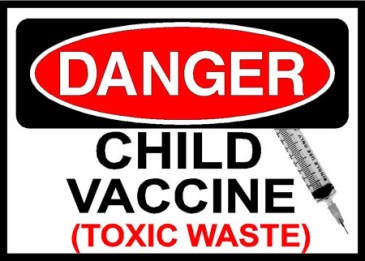
I’d like to say that I’m writing this post after being inundated with requests from people about why I don’t vaccinate, but that’s not the reason. You see, the people around me who have any sort of opinion on our choice not to vaccinate, fall into 4 categories:
1. My fellow natural-parenters, or non-vaxxers (yup, there is a huge community of us! We congregate every week to try to figure out how to destroy modern medicine and the world with our crazy, hair-brained ideas)
2. Acquaintances who reside within the cyber-world of my Facebook news-feed; you know, people you’ve known for years and haven’t seen for longer than you’ve actually known them and who know nothing about you other than what you choose to share on Facebook but who would be offended if you deleted them (sometimes I still do). They never leave nice comments about anything interesting you do, or nice pictures you put up. Sometimes you think that perhaps they’ve ‘unfollowed’ you but oh, no, there they are! You’ve shared a very inoffensive article about vaccinations and they’re right there, within 3 seconds of the post being shared, telling you how silly you are for not realising that the reason you didn’t die of Polio is thanks to these wonderful vaccines. Thank god for these people. I’ll go right away and have the Polio vaccine so that I don’t die.
3. My Actual friends, most of whom do vaccinate their children, but who have enough respect for me to ask questions to understand my reasoning for not vaccinating. They educate themselves on why I do what I do, so that they can get a better understanding for themselves. One of my best friends actually said to me that after all these years of learning about it through me, she kind of agreed that it was right not to vaccinate, but that she didn’t have the time that is required to devote to a child’s natural immunity when not vaccinating. I totally respected her honesty!
4. ‘Friends’ who never ask questions, just talk about me to other people and ask them (not me) questions like, ‘what do you do about having your child around Braxton, isn’t it dangerous because he’s not vaccinated?’ They make unfounded, ill-informed judgments to other people before ever asking me ask a question.
I do believe that every group is aware of the fact that non-vaxxers do hours upon hours upon days upon years more research than the average vaxxer, and for that I hope they can only have respect, even if only a little bit.
The point here is that no one actually asks me to write a post like this, but many people do ask me for information about vaccines and how I came to my decision not to vaccinate.
Now, on to the nitty gritty. In a (rather large) nutshell, here is why I don’t vaccinate:
- Ingredients – Adjuvants: vaccinations contain adjuvants such as aluminium and mercury that are seriously neuro-toxic, destroying the central nervous system. This can lead to ‘minor’ disabilities or fatal ones. Aside from neurological damage, the other thing in jeopardy is the immune system. By using toxic vaccinations we prohibit the baby’s immune system from developing naturally and learning how to work properly; that is, how to fight illness itself–which is what it was created to do.
- Ingredients – Other: I have huge issues, ethically and health-related, with things like monkey kidney cells, aborted human fetal cells, gelatine and egg proteins being injected into our children.
- Pharmaceutical company and government lies: most childhood diseases are NOT fatal, we have just been told they are. We are so used to believing everything we are told by governments and healthcare professionals that we follow blindly, without questioning. Why don’t we question it?? Leading on from this, the safety and efficacy issues surrounding vaccines due to negligence on the part of these pharmaceutical companies. Who benefits most from these vaccines being administered 48 times by the age of 6?
Now let’s crack that shell wide open…
Ingredients and Adjuvants
Taken from Arjun Walia’s article in Collective Evolution: Aluminum is an experimentally demonstrated neurotoxin and the most commonly used vaccine adjuvant. Despite almost 90 years of widespread use of aluminum adjuvants, medical science’s understanding about their mechanisms of action is still remarkably poor. There is also a concerning scarcity of data on toxicology and pharmacokinetics of these compounds. In spite of this, the notion that aluminum in vaccines is safe appears to be widely accepted. Experimental research, however, clearly shows that aluminum adjuvants have a potential to induce serious immunological disorders in humans. In particular, aluminum in adjuvant form carries a risk for autoimmunity, long-term brain inflammation and associated neurological complications and may thus have profound and widespread adverse health consequences
So there we can see that aluminium in vaccinations can result in autoimmune issues IE lupus and rheumatoid arthritis (that explains the huge increase in autoimmune diseases in early childhood); long-term brain inflammation–things like encephalitis–can be caused by vaccines, which can lead to epilepsy in some cases; neurological complications–these can start with ‘minor’ problems such as delayed or impaired speech, developmental issues with fine motor skills and ADHD, to the more severe ones like MS, depression and autism. It can also cause–and has been known to cause–polio, SIDS, brain tumours, childhood leukemia and many more.
How many of you reading this would feed your child a spoonful of aluminium or mercury willingly? I’m willing to take a bet that not many of you would. Yet when they are hidden in vaccinations people seem more than happy to go along with it and it baffles me. These same parents are opting for organic food options where possible, because of the pesticides in food, yet will happily have these toxins injected into their babies. How brainwashed have we become that we are OK with that?? ‘If they give it to everyone it must be OK,’ is what a HUGE number of people I know have said. NO. It’s not OK. Just like Thalidomide in the 1960s wasn’t OK but they gave it anyway, resulting in thousands of children being born with unthinkable deformities. Science is constantly proving itself wrong by coming up with newer ideas, so how can we ever know that what we are being given now is the safest thing? Where chemicals and toxins are involved, we never can.
I’ve met so many people over the years who say things like, ‘he was talking really well, then all of a sudden just stopped talking,’ or, ‘out of nowhere she developed this allergy,’ or ‘I really don’t know why his behviour is so bad, he used to be fine and it just started all of a sudden’. A lot of young children are being diagnosed with Leukemia these days, more than ever before. We know there is a link between the Vitamin K injection and Leukemia but there is no one telling the parents of these children that there may be a link. These things don’t just come out of thin air–we have to give them the fuel to be triggered. We, as parents, need to start making the connection between these changes in our children’s health and vaccines, because the pharmaceutical companies certainly aren’t going to let us find out themselves, therefore doctors will never know either.
A mother I met at a baby group said to me that after the MMR her son was so ill he was rushed to hospital with what they thought was meningitis and ended up in intensive care for 3 days. I didn’t actually get to the bottom of what was diagnosed. She told me it came on within 24 hours of the vaccine so I asked her what she thought of that. She said, ‘the doctors said that sometimes babies can react to vaccines but it’s likely to be harmless.’ ALARM BELLS!!!!!!!!!!! But apparently alarm bells only for me and not for her. It amazes me that she was that blaze about the fact that her child could have died and she will probably go on to give him the rest of the vaccines in the program.
So why is aluminium used in vaccines? Aluminium gels or salts help the vaccine stimulate a better response. Adjuvants help promote an earlier, more potent response, and more persistent immune response to the vaccine.
The long and short of it is that we know for sure that aluminium does affect brain activity. Here are some of the other ingredients in vaccines:
- Antibiotics which are added to some vaccines to prevent the growth of germs (bacteria) during production and storage of the vaccine.
- Egg protein is found in influenza and yellow fever vaccines, which are prepared using chicken eggs.
- Formaldehyde is used to inactivate bacterial products for toxoid vaccines, (these are vaccines that use an inactive bacterial toxin to produce immunity.) It is also used to kill unwanted viruses and bacteria that might contaminate the vaccine during production. (This is an ingredient that people are looking to avoid with shampoos and soaps, so why would we be ok with it being injected?)
- Monosodium glutamate (MSG) and 2-phenoxy-ethanol which are used as stabilizers in a few vaccines to help the vaccine remain unchanged when the vaccine is exposed to heat, light, acidity, or humidity.
- Thimerosal is a mercury-containing preservative that is added to vials of vaccine that contain more than one dose to prevent contamination and growth of potentially harmful bacteria
- Monkey kidney cells – see below
- Human fetal cells yes, cells from aborted human fetuses
- Pig gelatine
When Dr. Jonas Salk started developing the Polio vaccine, the ingredients he used included the minced up spinal cord from a 9-year-old deceased patient, water, blood, flies, feces, and human cell matter. This mixture was injected into the brains of monkeys, most of which died instantly or became paralyzed. Undaunted, Salk plugged away eventually creating the commercial version of the polio vaccine, developed in part from “the feces of three healthy children in Cleveland.” Ironically this infamous father of the polio vaccine just recently was exposed for his role in illegal experiments on mentally ill patients. While today’s formulations don’t contain feces, they are still derived from live hosts including cows, monkeys, pigs, chicken embryos, and human diploid cell.
Cell matter is extracted from these hosts, combined with toxic chemicals like Thimerosol (mercury), formaldehyde, aluminum hydroxide and a variety of other substances, before being injected into our bodies.
In the end, in 1977, Salk testified with other scientists that 87% of the polio cases which occurred in the US since 1970 were the by-product of the polio vaccine. The Sabin oral polio vaccine (OPV) is the only known cause of polio in the US today. Polio was actually eradicated before this due to improvements in hygiene, sanitation and nutrition once the war was over and good food was more readily available. And Marco Cáceres tells it exactly how it is:
What is conveniently omitted from government information about Polio and its eradication is that the reason the number of polio cases in the U.S. dropped so precipitously following the mass introduction of the Salk vaccine in 1955 was not medical, but rather administrative. Yes it’s true, in 1952 there were 52,879 reported cases of polio in the U.S. And yes, in 1955 the number went down to 28,985, and by 1959 it had dropped to 8,425. But first of all, it’s important to note that the numbers were already declining significantly prior to the initial use of the Salk vaccine. In 1953, there were 35,592 cases of polio in the U.S. So there were other things going on in the U.S. at the time totally unrelated to the Salk vaccine.
More importantly, though, in 1954 the U.S. government simply redefined polio. Yes, the government can do that. It does this kind of stuff occasionally in order to help it meet its public policy objectives when it is unable to actually achieve them. When it comes to government and public policy, the truth is seldom absolute. That’s just the nature of the beast.
So once more, it teaches us the lesson to THINK FOR OURSELVES AND DO OUR OWN RESEARCH.
According to Dr. Bernard Greenberg, head of the Department of Biostatistics of the University of North Carolina School of Public Health:
“In order to qualify for classification as paralytic poliomyelitis, the patient had to exhibit paralytic symptoms for at least 60 days after the onset of the disease. Prior to 1954, the patient had to exhibit paralytic symptoms for only 24 hours. Laboratory confirmation and the presence of residual paralysis were not required. After 1954, residual paralysis was determined 10 to 20 days and again 50 to 70 days after the onset of the disease. This change in definition meant that in 1955 we started reporting a new disease, namely, paralytic poliomyelitis with a longer lasting paralysis.”
As Marco Cáceres said:
“Under the new definition of polio, thousands of cases which would have previously been counted as polio would no longer be counted as polio. The change in the definition laid the groundwork for creating the impression that the Salk vaccine was effective.“
Don’t forget, you can AND SHOULD, ask your doctor’s surgery for all vaccine inserts before you agree to them. They have a duty of care to give these to you. You can then read the side-effects and ingredients. This is so important. Once you see it with your own eyes you may feel differently about giving the vaccine.
Natural Immunity
One of the most important reasons I don’t vaccinate is because I believe in natural immunity. We were created with in-built immune systems for a reason, and we need to teach them to work. Our obsession with vaccinating against every single possible illness and our over-use of antibiotics is killing our immune systems. What will eventually happen if we continue this way is that we will go back to how it was when Europeans invaded tribal areas and infected these people with diseases because they had absolutely no immunity to them. We’ve evolved as civilised beings to have immune systems that produce antibodies for all sorts of illnesses. All we have to do is build those immune systems up naturally and with the right attention and we will teach our bodies how to fight these diseases and become stronger for it.
Dr Tetyana Obukhanych, author of the book “Vaccine Illusion” has studied immunology in some of the world’s most prestigious medical institutions. She earned her PhD in Immunology at the Rockefeller University in New York and did postdoctoral training at Harvard Medical School, Boston, MA. and Stanford University in California, and this is what she has to say about it:
“The reason I am concerned about such contamination is because I believe that the exposure to yeast, egg, animal, or human proteins in the context of immunogenic (antibody producing) stimuli has the potential to result in sensitization to these proteins or even to break human immunologic tolerance to “self.” The latter is especially relevant to infants, since their immune system is only starting to make the distinction between “self” and “foreign.” Setting this distinction the wrong way from the start, in my view, is likely to pave the road to allergic or autoimmune manifestations.
Immunity is an ancient concept that refers to the observation that many acute infectious diseases occur only once in a person’s life, usually in childhood. The examples of such diseases would be measles, mumps, rubella, or whooping cough, to name a few.
Natural immunity is, in a way, a tautological expression because immunity can only be acquired naturally at this point, only through the exposure to an infected individual, although occasionally such exposure would go asymptomatic while still establishing immunity. Nevertheless, because there is a common misconception that vaccines also confer immunity, it is sometimes necessary to use a qualifier “natural,” when referring to immunity, to distinguish it from vaccine-based protection.
For live attenuated viral vaccines against communicable diseases, we can expect a very short-term protection (3-5 years). This estimate is indirect and comes from the statistical analysis of vaccination timing relative to the disease occurrence in vaccinated individuals. This is the only empirical evidence we have for the average duration of protection for certain vaccines.
There are other vaccines (e.g. for non-contagious toxin-mediated diseases, such as tetanus or viral diseases spread through animal bites, such as rabies) or even vaccines like Hepatitis B and Gardasil®, where an empirical estimate of the protection duration cannot be made at all, because we simply lack scientifically meaningful data to make such an estimate.”
What she is basically saying is that other than the illnesses we mentioned above, even most common allergies are down to vaccines, that a new immune system (that of an infant) needs to build natural immunity to common illnesses, that the science behind vaccines isn’t conclusive at all, and that even if they do slightly protect against some illnesses, they do it for a maximum of 5 years. The cons definitely outweigh the pros.
Now, if vaccines are safe for our immune systems, why can’t we give them to children who are immunocompromised?
There are, however, things you can do to keep your child’s immune system strong and protected. These are:
- Breastfeed. Breastmilk provides the only sort of antibodies that can protect against disease because they are specifically tailored to your baby
- Don’t vaccinate. Ironically, by introducing toxic vaccinations into your baby’s body, you are prohibiting their immune system from working properly. Many cases of bacterial meningitis happen after vaccinations
- Organic diet. Every single thing we eat that is not organic contains chemicals. The more chemicals we consume, the weaker our immune systems become and the less likely we are to be able to fight disease effectively. A fully organic diet free of pesticides, GMOs, antibiotics, growth hormones and steroids, along with immune boosting superfoods, purified water, heaps of vegetables and freshly cooked food, daily, will contribute to strong immune health.
- Limited use of antibiotics and paracetamol. Antibiotics kill off all the good bacteria in the gut (in the same way that dairy does) and, like vaccines, teach the immune system how NOT to work. By nursing children supportively through illness, the immune system is left to figure out how to work and it becomes stronger. Of course, there are times when antibiotics are needed, but as a whole, we do not need to be giving them to our children for every infection. The same goes for infant paracetamol–we must allow the body to have fevers without suppressing them. Dr Jayne Donegan has a wonderful booklet about nursing children supportively through illness. You can download it here
- Cut out dairy, it just kills the immune system. You can read more about that on my post about dairy here
- Educate yourself. Learn how to spot the signs of each childhood illness, educate yourself about each one and nurse the child through it supportively, with homeopathy, nutrition, breastmilk (where possible) and loving care.
Big Pharma and Government Lies
Many “scientific” studies are literally nonsense. This is not a conspiracy theory. For example, the Journal of the American Medical Association published a paper not long ago showing that one-third of “highly cited original clinical research studies” were eventually contradicted by subsequent studies, but we don’t see the subsequent studies, we only see the original ones they want us to see. The supposed effects of specific interventions either did not exist as the original studies concluded or were exaggerated.
Similarly, pharmaceutical company whistle-blowing has become a much more regular occurrence; we have now seen dozens of cases where employees of these companies have come out saying that they were made to ‘modify’ clinical trials to work in favour of the vaccination or drug in question, or that the research showed either lack of safety or inefficacy from these vaccinations (or both) but that the vaccine went ahead to be sold anyway. This leaves the question: how can we trust the term ‘clinical trial’ anymore? If we know some of these trials have been modified illegally to work in favour of the pharmaceutical company manufacturing them, how can we trust that any of them are effective or safe?
The Vaccine Injury Compensation Program wouldn’t have needed to be set up if there was no such thing as vaccine injury. What’s worse is that many of the cases that have gone to court have been hidden away from us, but after much research, you can see that billions of dollars have been awarded from pharmaceutical companies to families of vaccine injured children.
Why was Vaxxed withdrawn from Tribeca? Why was its director, Andrew Wakefield, struck off after trying to do enough research to expose the truth on the MMR? Why have hundreds more physicians been struck off for the same reason? Why does the anti-vaccination movement exist at all? We have nothing whatsoever to gain out of it, unlike Big Pharma.
These huge conglomerates work alongside the government to ensure swift sales. I know I sound like a conspiracy theorist, but perhaps conspiracies were born for a reason. If you think I sound a bit loopy, I highly recommend you read Deadly Medicine and Organised Crime, by Peter C Gotzsche, co-founder of the Cochrane Collaboration, the world’s leading medical research institute. You may think I’m loopy, but this guy literally cannot be discredited.
Even if you don’t want to look at the science, we must ask ourselves: what about all the parents speaking out about their vaccine-injured children. There are thousands of them, people who talk about their child changing overnight. Just search the internet and you’ll see how many of them there are. Surely we cannot help but be drawn in by these tragic and deeply personal accounts from real parents about their children.
Non ‘Essential’ Vaccines
I am very quickly going to touch on the nasal flu vaccine here because it is a hot topic at the moment and so many people have approached me about it.
Firstly, I do understand why mums who haven’t got any background on this ask their friends if they are giving it to their kids but guys, this is our children’s health we are talking about. It worries me how many people I’ve seen on Facebook saying ‘Who is giving the nasal flu spray? Not sure if I should or not’, then loads of fellow mums commenting saying things like, ‘We gave it and she’s fine’, or ‘We do it every year, all fine here!’ Just because someone replies that thier kids are ‘fine’ doesn’t mean anything. They’re not giving you info about the ingredients, the long term side effects, and all the other background info like pharmaceutical company benefits. All vaccines contain toxins, are they aware of this when they say things like ‘it’s only a little spray up the nose’? The nasal spray flu vaccine is not a ‘simply spray up the nose’ It’s worrying that because it isn’t in injection form people think it’s harmless. If anything it’s even worse than the flu vaccine injection because it contains the live, attenuated virus which means that when your child has it, they shed it to everyone around them for 2 week afterwards. What would happen if that child was around a child with cancer, shedding a synthetic form of flu? The synthetic versions enter the bloodstream not the cells so you don’t get full immunity like you do when you contract an illness naturally where it goes into the bloodstream AND the cells. Children’s immune systems THRIVE from being able to process illnesses naturally (that is, without medicines to bring down fever).
Another important thing to mention is that schools have not taken any measures to care for children who suffer from any of the side effects–serious or less serious. No measures have been taken to deal with any aftermath. Simply put, there is nowhere near enough science behind this. Immunocompromised children and adults will be harmed more by the artificial virus and the adjuvants within it that shed than if they were to come into contact with the natural virus. This is something we should all be declining and honestly, we should be calling for a boycott. Why should those of us who choose not to give it because we know of the potential side effects, end up with our children sick and compromised because of something that, quite frankly, has not had even a fraction of the research it should have. Lastly, schools get points from OFSTED when they do it and get the title of ‘healthy school’. Excellent. So once more it’s about points and money rather than the health of OUR CHILDREN.
Long and short? Let’s not make decisions based on what our friends do. We must do the research!
And just to pick up on what I said earlier about people advising their friends to give vaccines because their kids are ‘fine’, let’s think about what ‘fine’ actually means. Just because the child doesn’t have autism or another illness that people do, rightly or wrongly, associate with vaccines, doesn’t mean it hasn’t harmed them. Unless children have no behaviour or developmental issues, have strong immune systems, no allergies, no autoimmune conditions or other chronic illnesses and no stomach problems, then they are not fine. Even then, how do we know what will come later? We have no idea what goes on inside the body that builds up over time. We should not be advising other parents simply based on our child being ‘fine’.
Summary
I could go on for a lot longer but I don’t want this post to scare people off because of its length, so to summarise, vaccinations seem to be causing more harm than good. We are fully able to encourage the maturation of our children’s immune systems with the right lifestyle, we just have to be dedicated to that lifestyle. Our modern amenities also ensure perfect conditions for being able to treat illness naturally and effectively, something they weren’t able to do years ago, before improvements in hygiene, sanitation and access to all sorts of organic food options, which ensure improved nutrition.
We have to understand that illnesses don’t just come from nowhere; like fire, they need fuel. If your child has a slew of allergies, or even one random one, or behaviour problems, delayed development, or even an autoimmune disease, despite what the medical institution would have us believe, these aren’t just born out of thin air, they are triggered–there is always a root cause.
My belief is that yes, we are all genetically predisposed to all sorts of illnesses, but with the right care and attention, and by not fueling those dormant illnesses, we need not ever awaken them, even cancer. I was genetically predisposed to autoimmune issues because of the gene mutation MTHFR (you can read about that here), so how was my already compromised immune system (that we had no idea was compromised at the time) to survive such a brutal attack? It didn’t, my arthritis was triggered by a vaccine at 18 months. We are seeing such a huge increase in childhood leukemia, ADHD, autism and brain swelling, alongside all these autoimmune diseases, it can’t possibly be a coincidence.
Of course I understand why people vaccinate–why would we not just do what we’ve always been taught will keep us healthy? My own parents did it, but if you ask my mum now she will tell you that she wishes she had had the information at her fingertips that we have now and she would never have vaccinated me and indeed my whole family are supportive of our decision not to vaccinate Braxton. This information IS at our fingertips now so we must utilise it.
I urge you to do your research before vaccinating. You may still be too scared not to vaccinate, but we owe it to our children, especially in the age of information, to research as much as we can instead of blindly following what we are told to do just because we know no other way.
I hope this post helps in some small way.
Because I am often ridiculed, have abuse hurled at me, and am told I am crazy, I will end with this, to remind people that sometimes things aren’t always as they seem, and most times, the people behind things like vaccinations are the ones who know all about the truth. It’s now up to us as humans to realise that we are not sheep and we do not have to follow in a herd. Personally, I have never been happier than now, when I am finally OK with being the wild horse in the herd of sheep:
“The tendency of a mass vaccination program is to herd people. People are not cattle or sheep. They should not be herded. A mass vaccination program carries a built-in temptation to oversimplify the problem; to exaggerate the benefits; to minimize or completely ignore the hazards; to discourage or silence scholarly, thoughtful and cautious opposition; to create an urgency where none exists; to whip up an enthusiasm among citizens that can carry with it the seeds of impatience, if not intolerance; to extend the concept of the police power of the state in quarantine far beyond its proper limitation; to assume simplicity when there is actually great complexity; to continue to support a vaccine long after it has been discredited;… to ridicule honest and informed consent.1”
1) Statement from Clinton R. Miller, Intensive Immunization Programs, May 15th and 16th, 1962. Hearings before the Committee on Interstate and Foreign Commerce House of Representatives, 87th congress, second session on H.R. 10541.
Love & health,
Lauren
References:
http://www.collective-evolution.com/2015/02/15/the-top-6-reasons-why-parents-are-choosing-not-to-vaccinate-their-kids/
https://www.mercola.com/article/vaccines/neurological_damage.htm
http://www.naturalnews.com/033834_vaccines_ingredients.html
http://www.vaccinationcouncil.org/2012/06/13/interview-with-phd-immunologist-dr-tetyana-obukhanych-by-catherine-frompovich/
http://www.thevaccinereaction.org/2015/07/polio-wasnt-vanquished-it-was-redefined/
DISCLAIMER: I am not a doctor or healthcare professional. This blog post is intended solely to express my own views and decisions about vaccinations after many years of research. You should always do your own research before making healthcare decisions.





















 ORGANIC SPOON