Pan-fried Kingklip with Exotic Mushrooms, Spinach and Canihua

Pan fried Kingklip with Mushrooms, Spinach & Canihua

As I don’t eat meat often, I try to eat fish once a week. Whether you eat meat or are vegan or vegetarian, it’s very important to be aware of your protein intake, especially if you train regularly. While it’s perfectly possible to get enough protein on a vegan diet, you have to be much more aware of it and put in more effort. It won’t happen by accident! That said, fish is a great clean source of protein for those of us who are not vegan.

Kingklip is a deep sea fish widely found in the coastal waters of southern Africa. It is low in fat and as well as being high in protein, also contains calcium, iodine and iron. If you cannot get kingklip you can use another solid white fish for this recipe.

Canihua is a close relative of quinoa and is native to the Andes. It is gluten-free and scores higher than quinoa in levels of protein, iron, magnesium and calcium. It has a similar flavour to quinoa, but the grains are much smaller.

Ingredients (serves 2)

150g shiitake mushrooms, sliced
150g shimeji mushrooms, separated
6 large cloves of garlic, finely chopped
extra virgin olive oil for frying
2 big handfuls spinach, sliced into ribbons
2 tbsp organic tamari
juice of 1/2 a lemon
1 tsp raw honey
1 tsp sesame oil
1 tbsp raw sesame seeds
1/2 cup canihua (or quinoa)
400g fresh kingklip (2 fillets), skinned

Method

Preheat the oven to 200 C.

Place the canihua in a small pot with 1 cup of water and 1/4 tsp himalayan salt. Bring to the boil, then turn the heat down and cover with a lid. Simmer until all the water has been absorbed and the grains are cooked, about 20 – 25 minutes.

Slowly fry the mushrooms in some olive oil until they start to brown. Add the garlic and fry for a further 2 minutes. Add the spinach and stir. Add the tamari and lemon juice and quickly put the lid on so that the steam will cook the spinach. After a couple of minutes remove from the heat. Add the honey, sesame oil and sesame seeds.

Heat some olive oil in a frying pan and place the kingklip down. Fry until golden and crispy then turn and do the same on the other side. Season with salt and pepper. Transfer to an ovenproof dish and roast for about 5 – 7 minutes, until the fish is cooked through. The flesh should be opaque and starting to flake, but not dry.

To plate, put the canihua on the bottom, then the mushrooms and spinach, and top with the fish. Squeeze some lemon over the top and enjoy.

Health & happiness!

Love,
Raine

Vegan Dinner Plate

Veggie Plate

Just look how yummy life can be as a vegan! I’m not going to write a long post here, it doesn’t need it! Just going to get straight on to the recipes…

For the sweet potato mash:
Peel a sweet potato and boil. Once ready, mash it in a bowl with some almond milk, salt, pepper and sprinkle with paprika

For the brown rice:
Add half a cup of brown rice to boiling water. Once it starts bubbling, turn down the heat to low, give it a stir, and put the lid on. It will take a good half an hour to cook properly. You can also add a tsp of Bouillon or other organic vegetable stock for taste.

For the salad:
Drain and rinse a tin of chickpeas and add to a bowl.
Cut up a red onion, some cucumber and some dill and add to the bowl.
Drizzle with lemon juice, olive oil, Himalayan salt and pepper.

For the sauteed mushrooms:
Chop a box of mushrooms, one onion and one clove of garlic.
Add the onion to a non-stick frying pan with some coconut oil. After a minute add the garlic, then after another minute add the mushrooms. Sautee for around 7 minutes until you can smell they are ready – you’ll know what I mean! Add some salt and pepper and you can add paprika or other spices if you like.

Add all to a plate and enjoy!

Love,
Lauren

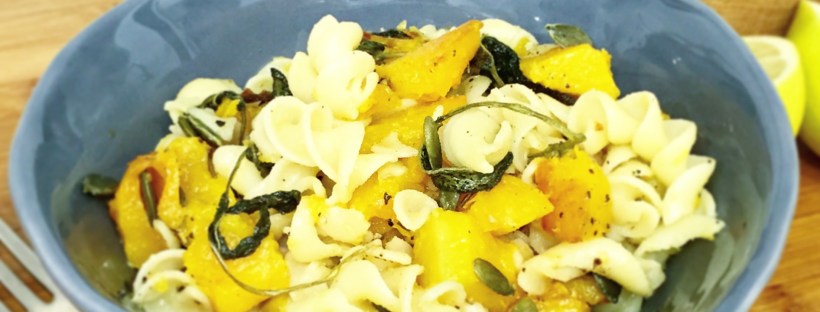
Butternut & Sage Pasta

Butternut & Sage Pasta

This is a quick and easy family dinner – I literally only had 35 minutes to get food on the table, and that included writing the recipe and taking a photo!

I am in love with sage… it’s such a versatile herb and the tangy, lemony flavour really comes out with roasting. It pairs beautifully with butternut, which is high in beta-carotene and vitamin C.

Ingredients (serves 4)

850g butternut (weighed without the skin or seeds)
1/4 cup extra virgin olive oil, plus some extra
1 tsp himalayan salt
15 cloves of garlic, cut into quarters
big handful of fresh sage
250g gluten-free organic pasta (I used amaranth, but you could use buckwheat or quinoa)
1/2 lemon
2 heaped tbsp raw pumpkin seeds

Method

Cut the butternut into cubes. On a roasting tray, toss together the butternut, olive oil, salt, garlic and sage. Roast at 200 C for about 30 minutes, until tender.

Cook the pasta according to packet instructions.

Toss the butternut and pumpkin seeds through the cooked pasta. Add some more olive oil if it looks too dry. Season to taste with lemon juice, himalayan salt and freshly ground black pepper. That’s it!

Health & happiness 🙂

Love,
Raine

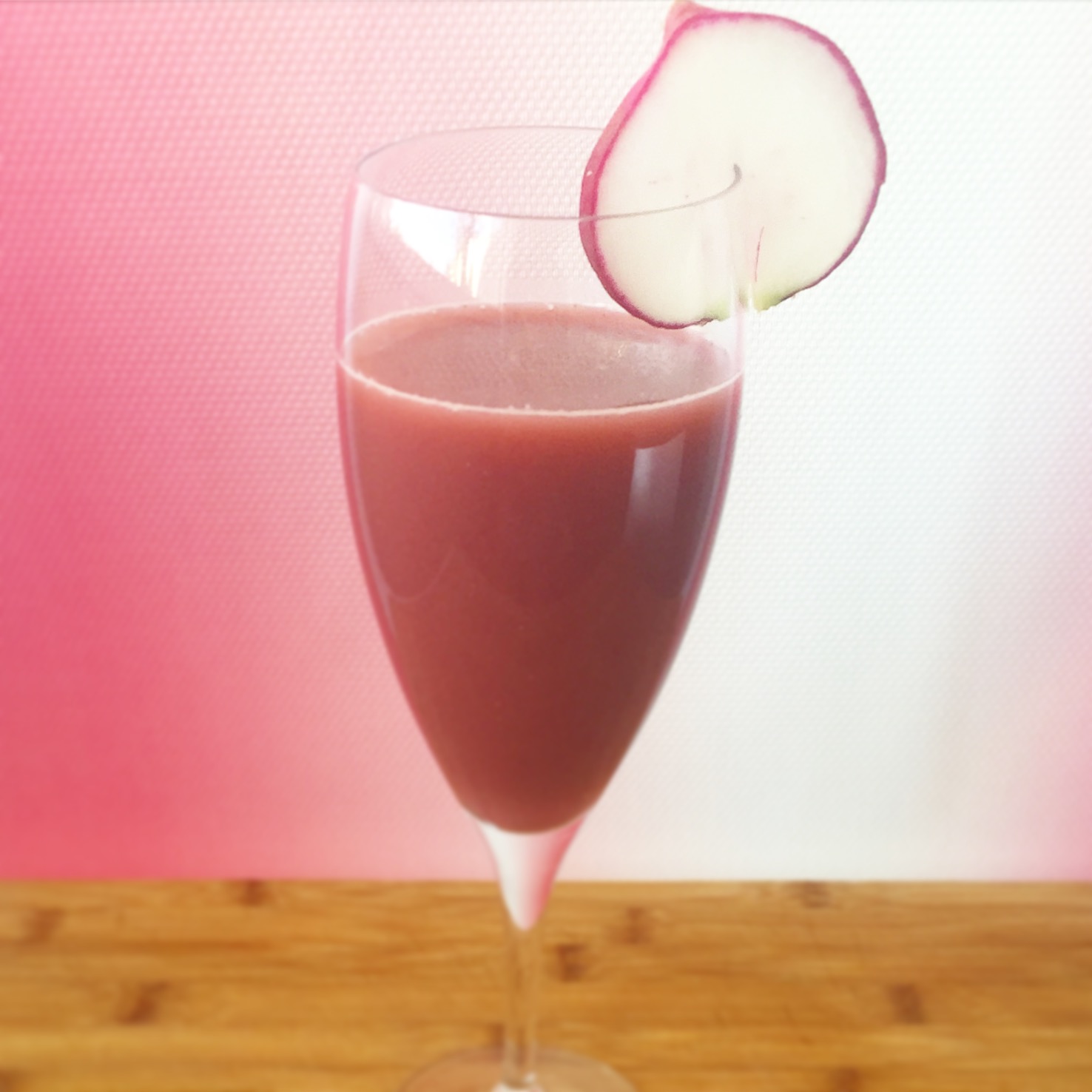
Pretty in Pink Valentine’s Juice

IMG_0325

I felt like something pink and sweet on this Valentine’s morning so I made this beautiful juice!

Originally from Persia, the pomegranate has been revered as a symbol of health, fertility and eternal life for thousands of years. I’m always amazed at how nature gives us clues as to which fruit or vegetable is good for a certain part of our bodies. There is something heart-like about a pomegranate when you open it, with its blood-red seeds and white membranes. Pomegranate contains a unique compound called punicalagin, which is excellent for heart health. It lowers cholesterol and blood pressure, and increases the rate at which arterial blockages melt away. The antioxidants in pomegranate also help to prevent stroke and heart attack.

Radishes eliminate toxins, aid digestion and prevent viral infections.

Ingredients (serves 2)

1 pomegranate, skin and membranes discarded (you don’t have to spend half an hour picking out every little piece of membrane – just the majority of it!)
3 radishes
1 lime (you can juice the skin)
1 medium cucumber
a few sprigs of mint
1 red pepper

Method

Put everything through your juicer. Add ice if you like.

Health & happiness!

Love,
Raine

Simple Homemade Tomato Sauce

tomato sauce

Every freezer should be stocked with this simple and healthy tomato sauce – it can be used in a myriad of different dishes, and makes life easier for busy moms! Just got home from work and need to make dinner in under half an hour? Defrost this sauce and serve it with some buckwheat or quinoa pasta for a quick but still nutritious family meal.

Tomatoes are high in vitamin C and antioxidants, particularly lycopene. Researchers recently found a connection between tomatoes and bone health, concluding that tomatoes can help to prevent osteoporosis. They are also important for heart health, and have long been hailed as the anti-prostate cancer food of choice.

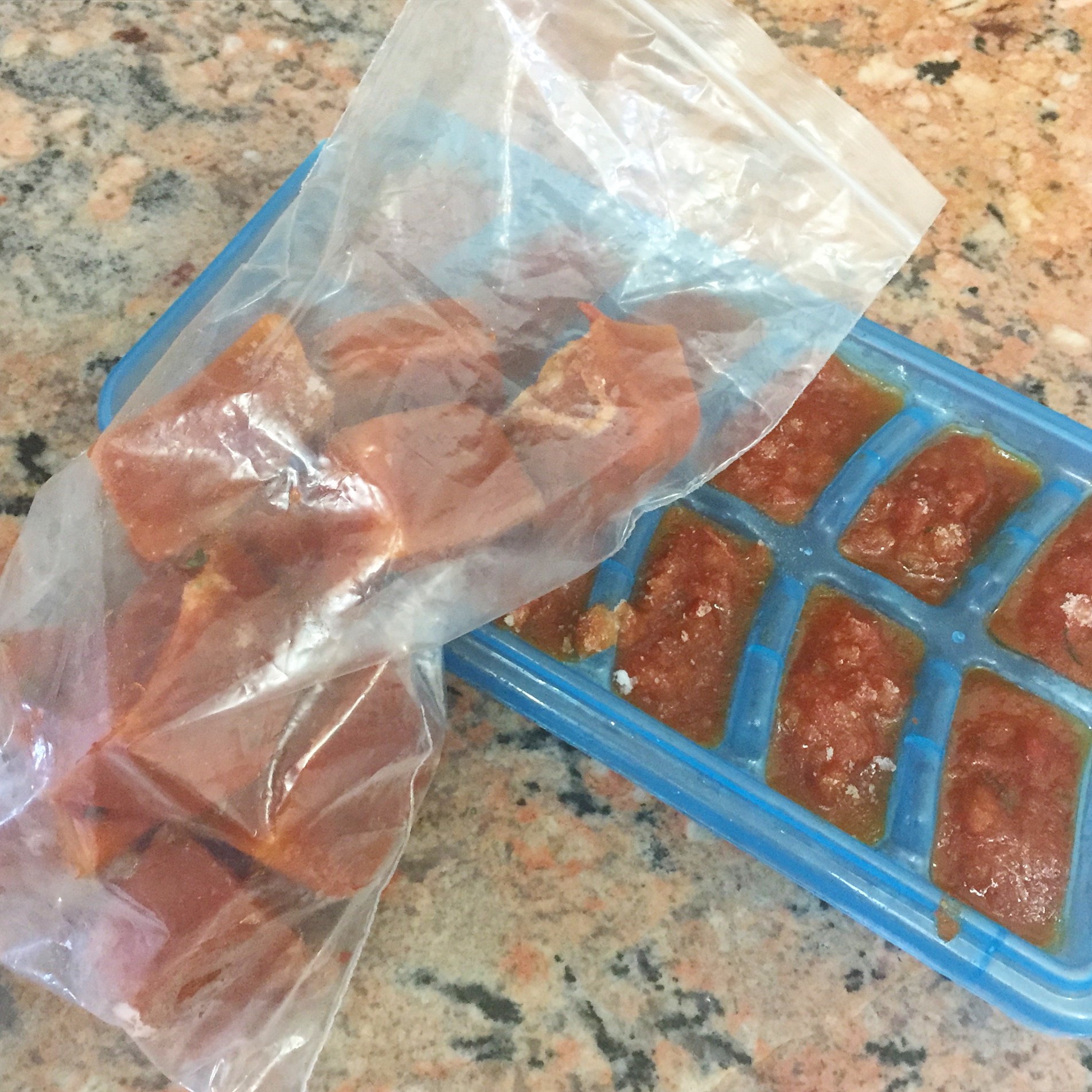
I like to make up a batch of this sauce and then freeze some of it in ice trays, so that I have small portions handy for my son’s meals (I use 2 – 3 cubes for him) and freeze the rest in one portion for a family meal.

IMG_0301

Ingredients

2 large onions, chopped
1 tbsp extra virgin olive oil
6 large cloves of garlic
1/2 cup of red wine (optional)
1.3kg fresh tomatoes, roughly chopped, including seeds
small handful of fresh thyme
2 bay leaves
1/4 cup dried dates
3/4 tsp himalayan salt
a few leaves of fresh basil

Method

Fry the onions in the olive oil until caramelised. Add the garlic and fry for 2 minutes. Add the wine. There should immediately be a cloud of steam, and a strong smell of alcohol. This is the alcohol in the wine cooking off – so don’t worry, there won’t be any alcohol left over in the sauce. You can omit the wine, but it adds depth of flavour.

Add the tomatoes, thyme, bay leaves and dates. Turn the heat down, cover with a lid and simmer for a minimum of 30 minutes. An hour or longer is better – the longer it simmers the more the flavours develop.

Remove the hard stalks of the thyme and then put the sauce in a blender or food processor. For pasta sauces I like a chunkier texture so will use a food processor. For a smoother sauce (for example, for pizza) use a blender. Add the salt and basil and blend until you have the desired consistency. Taste for seasoning and adjust accordingly. Traditionally tomato sauce would have quite a bit of sugar added (you’d be mortified to learn how much sugar there is in store-bought tomato sauce or ketchup!) I avoid this by adding the dates. If you feel that it needs more sweetness, add more dates or raw honey or organic maple syrup. If you feel that it needs more acidity, use fresh lemon or organic apple cider vinegar. This all depends on the natural flavour of the tomatoes you’ve used, so just taste and see!

Use immediately or freeze for future use.

Below are examples of how I would use this sauce:

tomato sauce 2

Here I roasted some aubergine with olive oil, salt and black pepper. I added it to the sauce along with some fresh chilli and basil. Served with buckwheat pasta.

IMG_0299

I fried onion, garlic, carrot, red pepper, broccoli and chilli in olive oil. I added the sauce, cooked brown basmati rice, shredded poached chicken and fresh coriander.

Health & happiness!

Love,
Raine

Leek & Zucchini Fritters

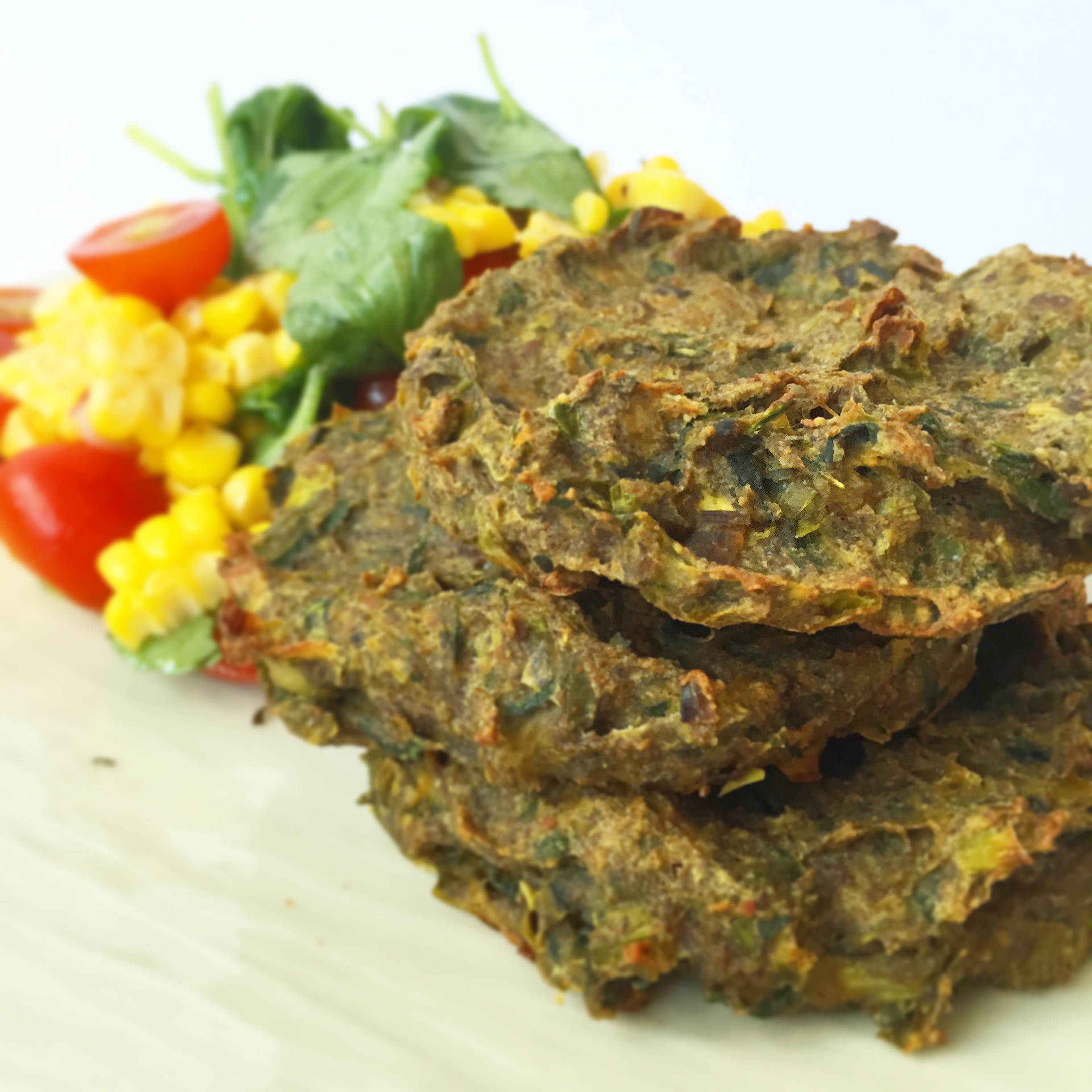
IMG_0282

I had a bunch of beautiful organic leeks and zucchini so I whipped this up for dinner yesterday. It was quick, easy and healthy! No wheat, gluten, dairy or other nasties, and I even baked them instead of frying. I served them with a big salad of corn, watercress, spring onion and tomatoes, simply dressed with extra virgin olive oil and fresh lime juice. A perfect meal for baby and you!

Ingredients

250g leeks
1 tbsp organic virgin coconut oil
8 cloves garlic, finely chopped
1/2 tsp ground cumin
1/2 tsp ground coriander
1/2 tsp ground turmeric
1 chilli, finely chopped (optional but highly recommended!)
300g zucchini (courgette), grated
a handful of fresh coriander, finely chopped
a handful of fresh parsley, finely chopped
1 tsp himalayan salt
2 eggs
1/4 cup water
2 tbsp ground flax seeds
1 tsp aluminium-free baking powder
1/2 cup almond flour
1/2 cup buckwheat flour

Method

Slice the leeks down the length, leaving the root end intact. Rinse them under running water. I find this the easiest way to get rid of the dirt which is stuck between the layers of the leek. Dry them and then slice finely.

Fry the leeks in the coconut oil until they start to caramelise. Add the garlic and spices and fry for a few more minutes. Stir in the grated zucchini and cook for a couple of minutes. Remove from the heat and add the herbs and salt. Set aside to cool.

Preheat the oven to 180 C.
Whisk together the eggs and water. Stir into the leek and zucchini mixture. Add the remaining ingredients. On a roasting tray lined with baking paper or silicon mats, spread a heaped tablespoon of the batter into a neat circle. Repeat until all the batter is used up. Bake for 25 minutes until golden and cooked through.

Health & happiness!

Love,
Lauren & Raine

Raw Chocolate Hearts with Maca Caramel Centre

Maca Caramel Chocolates

With Valentine’s Day just a week away I’m sure chocolate is on everyone’s mind. So I thought I’d show you that it doesn’t have to be unhealthy or “fattening.” Chocoholics round the world rejoiced when the experts started saying “chocolate is good for you.” But some of you may have been confused by this statement… after all, chocolate is full of sugar, right? So how do you get all those amazing benefits of raw cacao without the toxins of refined sugar, dairy and other additives such as emulsifiers and thickeners? Raw chocolate!

This was one of my favourite discoveries when I started this lifestyle… and it really is simple to make. By omitting all the bad stuff, and keeping the raw cacao at low temperatures so that you don’t destroy the nutrients, you’re giving your body one of nature’s most nutrient dense foods. Raw cacao is rich in anti-oxidants, is good for cardiovascular health and fights cancer. It also contains phenylethylamine, which is a mood enhancer. That explains the “feel good” effect of chocolate! 🙂

What is the difference between cacao and cocoa? Cocoa is what you probably grew up with… it is made from cacao beans but has gone through processing which means a loss of nutrients. To get the full benefits of the cacao bean, and a high-quality chocolate, make sure you only buy organic raw cacao products.

My chocolate recipe uses raw cacao paste as well as cacao butter. If these are not available to you, or you first want to see what this is all about before spending money on those products, you can make raw chocolate using coconut oil and raw cacao powder.

Maca is a root grown in Peru, which comes from the radish family. It has been revered for over 2000 years for its ability to provide stamina, mental clarity and aid fertility. It is believed to be an excellent aphrodisiac, particularly when paired with raw cacao. It has a bit of an odd taste (I must admit at first I didn’t like it!) but adding it to my raw caramel is a good way to start… the result is heavenly!

Ingredients

1 x Raw Caramel recipe
2 tbsp maca powder

Chocolate recipe #1:

75g raw cacao paste
25g raw cacao butter
30ml runny raw honey or organic maple syrup
1/4 tsp organic stevia leaf powder (alternatively, use 60ml honey or maple)
pinch of himalayan salt

Chocolate recipe #2:

90ml coconut oil
90ml runny raw honey or organic maple syrup
125ml raw cacao powder

Method:

Add the maca powder to the caramel ingredients when blending. Set aside.

For chocolate recipe #1, place all the ingredients in a glass or stainless steel bowl which can fit over a saucepan. Bring some water to a simmer in the saucepan, and set the bowl over it. The trick with chocolate is to only ever use gentle heat, and to heat all the ingredients together. If you try to melt the cacao over direct heat, or add cold honey to it once it’s been melted, it will seize. Use a whisk to stir the chocolate until everything is melted, well combined and glossy.

For chocolate recipe #2, place the coconut oil and honey or maple in a glass or stainless steel bowl which can fit over a saucepan. Bring some water to a simmer in the saucepan, and set the bowl over it. Gently melt the oil and honey, using a whisk to combine. Remove from the heat and add the cacao powder, using the whisk to combine well.

Fill your heart mould with chocolate one third of the way. If you don’t have moulds, ice trays work just as well. Place in the freezer until set. Now use a small spoon to drop some caramel onto the set chocolate, trying to avoid the sides of the mould.

Maca Caramel Chocolates 2

Place in the freezer again for a few minutes to harden, so that pouring more chocolate over the caramel doesn’t melt it. If your chocolate is no longer pouring consistency, heat it gently again over the simmering water. Fill the moulds with chocolate so that it pours around the caramel, and covers it. Place in the freezer again until set. These chocolates do need to be kept in the fridge as they can melt at room temperature, especially if you’ve made the coconut oil version. I keep mine in a glass jar, and they can last up to a month (at least, that’s the longest mine have ever lasted before being eaten!)

I hope these will put you in the mood for Valentine’s Day!

Health & happiness.

Love,
Raine

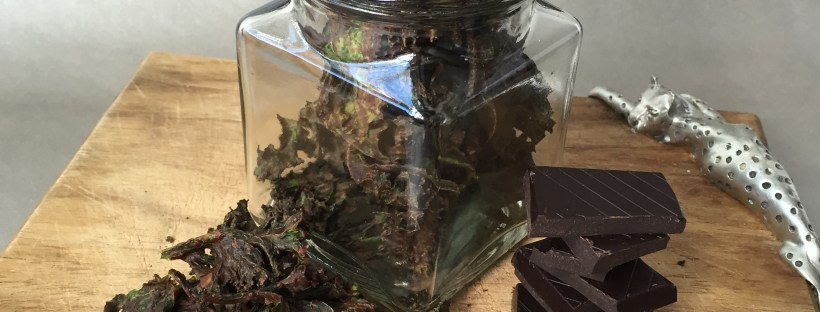
Chocolate Kale Chips

IMG_0162

Technically I cannot take credit for these delicious little miracles… it was my son’s idea! The last time I made a batch of Kale Chips I added a bit of cayenne. He was not very impressed and asked why I put fire in them 🙂 So I asked him what flavour he would like next time and he said chocolate! At first I laughed, and then I started thinking it might actually work. The end result surprised even me… they are so moreish, and you just happen to be eating greens!

Ingredients

150 – 200g kale, weighed after removing the tough centre stem (I’ve used curly kale but you can use any variety)
90g natural peanut butter (I like Jozi’s Nut Butters which you can buy at The Organic Emporium)
2 tbsp organic maple syrup
1/2 tsp organic stevia leaf powder (or double up on the maple syrup)
60ml raw cacao powder
1/4 tsp himalayan salt
60ml water

Method

After removing the tough centre stem, tear the kale into pieces about 5cm square.

Combine the rest of the ingredients with a whisk and pour over the kale. Use your hands and “massage” the chocolate sauce into the kale, making sure to cover each piece with that chocolatey goodness.

Spread the leaves out on dehydrator sheets, and dehydrate at 45 C overnight.
Alternatively, spread out on a large baking tray (you might need 2) lined with baking paper. Set your oven to 100 C and prop the door open with a wooden spoon. This allows moisture to escape so that you’re drying the kale, rather than just baking it. They’re ready when they are completely dry with a light, crispy texture. Done in the oven these won’t be raw, but still healthy and delicious!

Store in an airtight container and consume within 2 weeks. If you have high humidity you should use them faster, before they go limp. These are so good though, I’m willing to bet that they won’t last very long! 😉

Health & happiness!

Love,
Raine